

Biología de sistemas
Dr. Alejandro Colman-Lerner
JEFE DE GRUPO
Profesor Adjunto, Departamento de Fisiología, Biología Molecular y Celular, FCEN, UBA.
Investigador Principal CONICET
El grupo estudia los sistemas moleculares de procesamiento de información, enfocándose en vías de transducción de señales, utilizando como modelo la levadura Saccharomyces cerevisiae. Para esto utilizamos una aproximación de Biología de Sistemas, donde combinamos modelado matemático con experimentación.
Línea de Investigación: Biologia de Sistemas
En particular:
- Mecanismos que generan robustez en las rutas de señalización en S. cerevisiae
- Mecanismo de activación temprana de la respuesta a feromona sexual en S.cerevisiae
- Interacción entre la respuesta a feromona sexual, el ciclo celular y el metabolismo central en S.cerevisiae
- Integración de información extracelular mediante la activación concertada de vías de MAPK en S.cerevisiae
- Mecanismo de sensado de gradientes en S.cerevisiae
- Interacción de la vía de supervivencia celular de AKT y la respuesta a proteínas malplegadas en células animales en cultivo.
- Regulación de la expresión asimétrica controlada por Cbk1 y Ace2 en S.cerevisiae


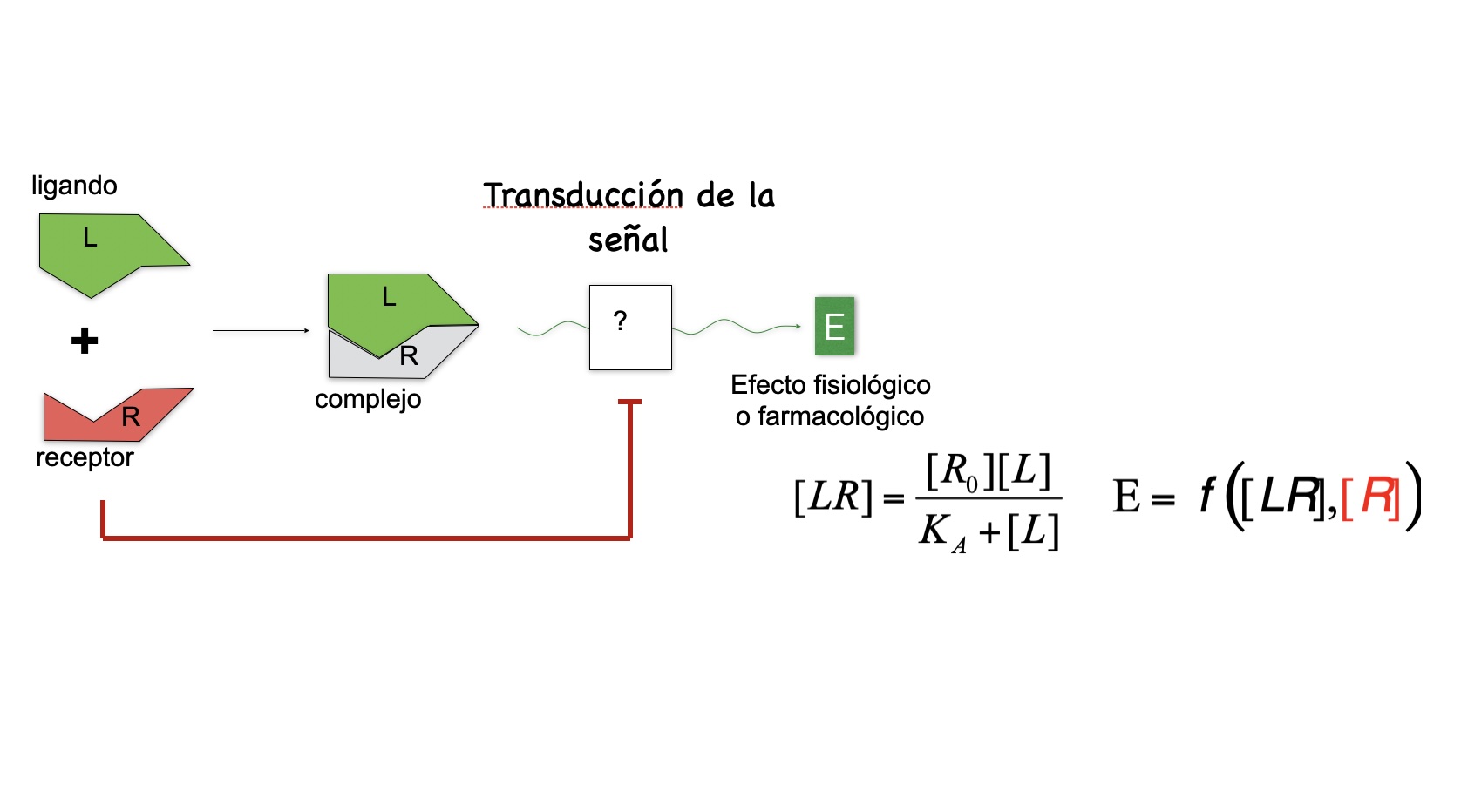
- Helena Braunstein, Alejandra C. Ventura and Alejandro Colman-Lerner. (2025) Modeling the use of transient ligand binding information by AMPA receptors. NPJ Systems Biology and Applications Vol 11, Issue 1, 68. doi.org/10.1038/s41540-025-00546-6
- Alan Givré, Alejandro Colman-Lerner and Silvina Ponce Dawson. (2025) Amplitude and frequency encoding result in qualitatively distinct informational landscapes in cell signaling. Scientific Reports Vol 15, Issue 1, 8075. doi.org/10.1038/s41598-025-92424-8
- Lucía Durrieu, Alan Bush and Alejandro Colman-Lerner. (2024) Protocol for FRAP-based estimation of nuclear import and export rates in single yeast cells. STAR Protocols Vol 5, Issue 1, 102876. doi.org/10.1016/j.xpro.2024.102876
- Nicolás A. Méndez, Germán Beldorati, Andreas Constantinou and Alejandro Colman-Lerner. (2023) rcell2: Microscopy-Based Cytometry in R. Current Protocols Vol 3, Issue 4, e726. doi.org/10.1002/cpz1.726
- Alan Givré, Alejandro Colman-Lerner and Silvina Ponce Dawson. (2023) Modulation of transcription factor dynamics allows versatile information transmission. Scientific Reports Vol 13, Issue 1, 2652. doi.org/10.1038/s41598-023-29539-3
- Lucía Durrieu, Alan Bush, Alicia Grande, Rikard Johansson, David Janzén, Andrea Katz, Gunnar Cedersund and Alejandro Colman-Lerner. (2023) Characterization of cell-to-cell variation in nuclear transport rates and identification of its sources. iScience Vol 26, Issue 1, 105906. doi.org/10.1016/j.isci.2022.105906
- Matías Blaustein, Estefanía Piegari, Camila Martínez Calejman, Antonella Vila, Analía Amante, María Victoria Manese, Ari Zeida, Laurence Abrami, Mariela Veggetti, David A. Guertin, F. Gisou van der Goot, María Martha Corvi and Alejandro Colman-Lerner. (2021) Akt Is S-Palmitoylated: A New Layer of Regulation for Akt. Frontiers in Cell and Developmental Biology Vol 9, 626404. doi.org/10.3389/fcell.2021.626404
- Matías Blaustein, Sonia Wirth, Gustavo Saldaña, Ana Paula Piantanida, María Eugenia Bogetti, María Eugenia Martin, Alejandro Colman-Lerner and Osvaldo D. Uchitel. (2020) A new tool to sense pH changes at the neuromuscular junction synaptic cleft. Scientific Reports Vol 10, Issue 1, 20480. doi.org/10.1038/s41598-020-77154-3. Author correction: doi.org/10.1038/s41598-021-88219-2
- Gustavo Vasen, Paula Dunayevich, Andreas Constantinou and Alejandro Colman-Lerner. (2020) GPCR receptor phosphorylation and endocytosis are not necessary to switch polarized growth between internal cues during pheromone response in Saccharomyces cerevisiae. Communicative & Integrative Biology Vol 13, Issue 1, 128-139. doi.org/10.1080/19420889.2020.1806667
- Gustavo Vasen, Paula Dunayevich and Alejandro Colman-Lerner. (2020) Mitotic and pheromone-specific intrinsic polarization cues interfere with gradient sensing in Saccharomyces cerevisiae. Proc.Natl.Acad.Sci.U.S.A Vol 117, Issue 12, 6580-6589. doi.org/10.1073/pnas.1912505117
- Juan Pablo Di Bella, Alejandro Colman-Lerner*, Alejandra Ventura*. (2018) Properties of cell signaling pathways and gene expression systems operating far from steady-state. Scientific Reports Vol 8, Issue 1, e17035. doi.org/10.1038/s41598-018-34766-0. *: co-corresponding authors.
- Paula Dunayevich*, Rodrigo Baltanás*, José Clemente, Alicia Couto, Daiana Sapochnik, Gustavo Vasen and Alejandro Colman-Lerner. (2018) Heat-stress triggers MAPK crosstalk to turn on the hyper-osmotic response pathway. Scientific Reports Vol 8, Issue 1, e15168. doi.org/10.1038/s41598-018-33203-6. *: equally contributing authors.
- C. Gustavo Pesce, Stefan Zdraljevic, William J. Peria, Alan Bush, María Victoria Repetto, Daniel Rockwell, Richard Yu, Alejandro Colman-Lerner* and Roger Brent*. (2018) Single-cell profiling screen identifies microtubule-dependent reduction of variability in cell signaling. Molecular Systems Biology 14(4):e7390. doi.org/10.15252/msb.20167390. *: co-corresponding authors.
- María Victoria Repetto, Matthew J. Winters, Alan Bush, Wolfgang Reiter, David Maria Hollenstein, Gustav Ammerer, Peter M. Pryciak*, and Alejandro Colman-Lerner*. (2018) CDK and MAPK Synergistically Regulate Signaling Dynamics via a Shared Multi-site Phosphorylation Region on the Scaffold Protein Ste5. Molecular Cell Vol 69, Issue 6, 15 March 2018, Pages 938–952.e6. doi.org/10.1016/j.molcel.2018.02.018. *: co-corresponding authors.
- Edgar Altszyler, Alejandra C. Ventura, Alejandro Colman-Lerner, and Ariel Chernomoretz. (2017). Ultrasensitivity in signaling cascades revisited: Linking local and global ultrasensitivity estimations. Plos One 12(6):e0180083. doi.org/10.1371/journal.pone.0180083.
- Alan Bush*, Gustavo Vasen*, Andreas Constantinou#, Paula Dunayevich#, Inés Patop, Matías Blaustein, and Alejandro Colman-Lerner. (2016) Yeast GPCR signaling reflects the fraction of occupied receptors, not the number. Molecular Systems Biology 12(12):898. doi.org/10.15252/msb.20166910. * o #: equally contributing authors.
- Steven S. Andrews, William J. Peria, Richard C. Yu, Alejandro Colman-Lerner, Roger Brent. (2016) Push-Pull and Feedback Mechanisms Can Align Signaling System Outputs with Inputs. Cell Systems Vol 3, Issue 5, 444-455.e2. doi.org/10.1016/j.cels.2016.10.002.
- Markus Karlsson, David L.I. Janzén, Lucia Durrieu, Alejandro Colman-Lerner, Maria C. Kjellsson and Gunnar Cedersund. (2015) Nonlinear mixed-effects modelling for single cell estimation: when, why, and how to use it. BMC Systems Biology 9:52 1-15. doi.org/10.1186/s12918-015-0203-x
- Andreas Doncic, Oguzhan Atay, Ervin Valk, Alicia Grande, Alan Bush, Gustavo Vasen, Alejandro Colman-Lerner, Mart Loog, and Jan M. Skotheim. (2015) Compartmentalization of a Bistable Switch Enables Memory to Cross a Feedback-Driven Transition. Cell 160, 1182–1195. doi.org/10.1016/j.cell.2015.02.032
- Altszyler, E; Ventura, A; Colman-Lerner, A; and Chernomoretz, A. (2014) Impact of upstream and downstream constraints on a signaling module’s ultrasensitivity. Phys. Biol. 11 066003. doi.org/10.1088/1478-3975/11/6/066003
- Ventura, A. C. Bush, A. Vasen, G. Goldin, M. Burkinshaw, B. Bhattacharjee, Nirveek, Folch, A. Brent, R. Chernomoretz, A and Colman-Lerner, A. (2014) Utilization of extracellular information before equilibrium receptor binding expands and shifts the input dynamic range. Proc.Natl.Acad.Sci.U.S.A, Sep 16;111(37):E3860-9. Epub Aug 29. doi.org/10.1073/pnas.1322761111.
- Sigaut L, Pearson JE, Colman-Lerner A, and Ponce Dawson S (2014). Messages do diffuse faster than messengers: reconciling disparate estimates of the morphogen bicoid diffusion coefficient. PLoS Comput Biol 10(6):e1003629. doi.org/10.1371/journal.pcbi.1003629.
- Guillermo Risso, Federico Pelish, Berta Pozzi, Pablo Mammi, Matías Blaustein, Alejandro Colman-Lerner, and Anabella Srebrow. (2013) Modification of Akt by SUMO conjugation regulates alternative splicing and cell cycle. Cell Cycle, 12:19. doi.org/10.4161/cc.26183
- Matías Blaustein, Daniela Pérez-Munizaga, Manuel Alejandro Sánchez, Carolina Urrutia, Alicia Grande, Guillermo Risso, Anabella Srebrow, Jennifer Alfaro and Alejandro Colman-Lerner. (2013) Modulation of the Akt Pathway Reveals a Novel Link with PERK/eIF2alpha, which Is Relevant During Hypoxia. PlosONE, Jul 29;8(7):e69668. doi.org/10.1371/journal.pone.0069668
- Rodrigo Baltanás, Alan Bush, Alicia Couto, Lucía Durrieu, Stefan Hohmann, and Alejandro Colman-Lerner. (2013). Pheromone-induced morphogenesis improves osmoadaptation capacity by activating the HOG MAPK pathway. Science Signaling, Apr 23;6(272):ra26. doi.org/10.1126/scisignal.2003312
- Alan Bush and Alejandro Colman-Lerner. (2013) Quantitative measurement of protein relocalization in live cells. Biophysical Journal 104:727. doi.org/10.1016/j.bpj.2012.12.030
- Jörg Schaber, Rodrigo Baltanas, Alan Bush, Edda Klipp, and Alejandro Colman-Lerner. (2012) Modelling reveals novel roles of two parallel signalling pathways and homeostatic feedbacks in yeast. Molecular Systems Biology 8:622. doi.org/10.1038/msb.2012.53.
- Alan Bush, Ariel Chernomoretz, Richard Yu, Andrew Gordon, and Alejandro Colman-Lerner. (2012). Using Cell-ID 1.4 with R for Microscope-Based Cytometry. Current protocols in molecular biology, capítulo 14, unidad 14.18. doi.org/10.1002/0471142727.mb1418s100.
- Marina Riggio, María Laura Polo, Matías Blaustein, Alejandro Colman-Lerner, Isabel Lüthy, Claudia Lanari and Virginia Novaro. (2012). PI3K/AKT pathway regulates ligand-independent activation of steroid receptors, hormone independence and tumor differentiation in breast cancer. Carcinogenesis, 33(3):509-18. doi.org/10.1093/carcin/bgr303.
- Ty M. Thomson, Kirsten R. Benjamin, Alan Bush, Tonya Love, David Pincus, Orna Resnekov, Richard C. Yu, Andrew Gordon, Alejandro Colman-Lerner, Drew Endy, and Roger Brent. (2011). Scaffold number in yeast signaling system sets tradeoff between system output and dynamic range. Proc.Natl.Acad.Sci.U.S.A, 108(50):20265-70. doi.org/10.1073/pnas.1004042108
- Bodenmiller, Bernd; Wanka, Stefanie; Kraft, Claudine; Urban, Jörg; Campbell, David; Pedrioli, Patrick; Gerrits, Bertran; Picotti, Paola; Lam, Henry; Vitek, Olga; Brusniak, Mi-Youn; Roschitzki, Bernd; Zhang, Chao; Schlapbach, Ralph; Shokat, Kevan; Colman-Lerner, Alejandro; Nesvizhskii, Alexey; Peter, Matthias; Loewith, Robbie; von Mering, Christian, and Aebersold, Ruedi. (2010). Phosphoproteomic Analysis Reveals Interconnected System-Wide Responses to Perturbations of Kinases and Phosphatases in Yeast. Science Signaling 3, 153. doi.org/10.1126/scisignal.2001182.
- Sigaut, L., Ponce, M.L., Colman-Lerner, A., and Ponce Dawson, S. (2010). Optical techniques provide information on various effective diffusion coefficients in the presence of traps. Physical Review E 82(5), 051912. doi.org/10.1103/PhysRevE.82.051912.
- Yu, R. C., Pesce, C. G., Colman-Lerner, A., Lok, L., Pincus, D., Serra, E., Holl, M., Benjamin, K., Gordon, A. and Brent, R. (2008). Negative feedback that improves information transmission in yeast signalling. Nature 456, 755-761. doi.org/10.1038/nature07513.
- Yu, R.C., Resnekov, O., Abola, P., Andrews, A., Benjamin, K., Bruck, J., Burbulis, I., Colman-Lerner, A., Endy, D., Gordon, A., Holl, M., Lok, L., Maxwell, R., Pesce, C.G., Serra, E., Smith, R.D., Thomson, T., Tsong, A., and Brent, R. (2008). The Alpha Project, a model system for systems biology research. IET Systems Biology, 2, 222-233. doi.org/10.1049/iet-syb:20080127.
- Chernomoretz, A., Bush, A., Yu, R., Gordon, A., and Colman-Lerner, A. (2008). Using Cell-ID-1.4 with R for microscope-based cytometry. Current protocols in molecular biology. Capítulo 14, unidad 18. Edited by Frederick M. Ausubel et al. doi.org/10.1002/0471142727.mb1418s84.
- Gordon, A.*, Colman-Lerner, A*#., Chin, T.E., Benjamin, K.R., Yu, R.C., and Brent, R. (2007). Single-cell quantification of molecules and rates using open-source microscope-based cytometry. Nat Methods 4, 175-181. *: equally contributing authors. #: corresponding author. doi.org/10.1038/nmeth1008.
- Fazzini, M., Vallejo, G., Colman-Lerner, A., Trigo, R., Campo, S., Baranao, J. L. & Saragueta, P. (2006). Transforming growth factor-b1 regulates follistatin mRNA expression during in vitro bovine granulosa cell differentiation. J Cell Physiol 207(1): 40-48. doi.org/10.1002/jcp.20533
- Colman-Lerner, A.*#, Gordon, A.*#, Serra, E., Chin, T., Resnekov, O., Endy, D., Pesce, C.G., and Brent, R#. (2005). Regulated cell-to-cell variation in a cell-fate decision system. Nature 437, 699-706. *: equally contributing authors. #: corresponding authors. doi.org/10.1038/nature03998.
- Novaro, V., Pustovrh, C., Colman-Lerner, A., Radisky, D., Lo Nostro, F., Paz, D., Jawerbaum, A. and Gonzalez, E. (2002). “Nitric oxide induces gelatinase A (matrix metalloproteinase 2) during rat embryo implantation.” Fertility and Sterility 78(6): 1278-87. doi.org/10.1016/s0015-0282(02)04240-1
- Chiappe, M. E., Lattanzi, M. L., Colman-Lerner, A. A., Baranao, J. L. and Saragueta, P. (2002). “Expression of 3 beta-hydroxysteroid dehydrogenase in early bovine embryo development.” Molecular Reproduction and Development 61(2): 135-41. doi.org/10.1002/mrd.1140
- Novaro, V., Colman-Lerner, A., Ortega, F. V., Jawerbaum, A., Paz, D., Lo Nostro, F., Pustovrh, C., Gimeno, M. F. and Gonzalez, E. (2001). “Regulation of metalloproteinases by nitric oxide in human trophoblast cells in culture.” Reproduction Fertility and Development 13(5-6): 411-20. doi.org/10.1071/rd01036
- Colman-Lerner, A.*, Chin, T.E., and Brent, R. (2001). Yeast Cbk1 and Mob2 activate daughter-specific genetic programs to induce asymmetric cell fates. Cell 107, 739-750. doi.org/10.1016/s0092-8674(01)00596-7. * corresponding author.
- Colman-Lerner, A., and Brent, R. (2000). Using Peptide Aptamers to Analyse the Proteome. New Technologies for Life Sciences: A Trends Guide Special Issue, 56-60.
- Pomata, P. E., Colman-Lerner, A. A., Baranao, J. L. and Fiszman, M. L. (2000). “In vivo evidences of early neurosteroid synthesis in the developing rat central nervous system and placenta.” Brain Research, Developmental Brain Research 120(1): 83-6. doi.org/10.1016/s0165-3806(99)00181-9
- Geyer, C.R., Colman-Lerner, A*., and Brent, R. (1999). “Mutagenesis” by peptide aptamers identifies genetic network members and pathway connections. Proc.Natl.Acad.Sci.U.S.A 96, 8567-8572. *: corresponding author. doi.org/10.1073/pnas.96.15.8567.
- Colman-Lerner, A., Fischman, M.L., Lanuza, G.M., Bissell, D.M., Kornblihtt, A.R., and Baranao, J.L. (1999). Evidence for a role of the alternatively spliced ED-I sequence of fibronectin during ovarian follicular development. Endocrinology 140, 2541-2548. doi.org/10.1210/en.140.6.2541
- Pignataro, L., Lerner, A. A., Baranao, J. L. and de Plazas, S. F. (1998). “Biosynthesis of progesterone derived neurosteroids by developing avian CNS: in vitro effects on the GABAA receptor complex.” International Journal of Developmental Neuroscience 16(5): 433-41. doi.org/10.1016/s0736-5748(98)00015-x
- Colman-Lerner, A. A., Fischman, M. L., Lanuza, G., Cramer, P., Kornblihtt, A. and Baranao, J. L. (1997). “[Role of different forms of fibronectin in vitro bovine follicular development].” Medicina (B Aires) 57(3): 332-6. pmid: 9640769
- Colman-Lerner, A. A., Salamone, D. F., Chiappe, M. E. and Baranao, J. L. (1995). “Comparative studies between freshly isolated and spontaneously immortalized bovine granulosa cells: protein secretion, steroid metabolism, and responsiveness to growth factors.” Journal of Cellular Physiology 164(2): 395-403. doi.org/10.1002/jcp.1041640220
I am item content. Click edit button to change this text. Lorem ipsum dolor sit amet, consectetur adipiscing elit. Ut elit tellus, luctus nec ullamcorper mattis, pulvinar dapibus leo.
Integrantes del grupo
- Dr. Gustavo Vasen Profesor, Universidad de San Andrés · Investigador Asistente, CONICET
- Lic. Helena Braunstein Doctoranda, FCEN-UBA
- Lic. Nicolás Méndez Doctorando, FCEN-UBA
- Tec. José Clemente Personal de Apoyo (CPA), CONICET
- Lucas Wenk Estudiante de Ciencias Biológicas, FCEN-UBA
- Chiara Montiel Estudiante de Ciencias Biológicas, FCEN-UBA
- Manuela Sahaspé Estudiante de Ciencias Biológicas, FCEN-UBA
- Nicolás Lisnovsky Estudiante de Ciencias Biológicas, FCEN-UBA
- Josefina Samiento Estudiante de Ciencias Biológicas, FCEN-UBA
Miembros Anteriores
Dra. Alejandra Ventura
Dr. Alan Bush
Dr. Edgar Altsyler
Dr. Rodrigo Baltanas
Dra. Daiana Sapochnik
Dr. Juan Pablo Di Bella
Dra. Alicia Grande
Dra. Victoria Repetto
Lic. Inés Patop
Dr. Matías Blaustein
Dra. Paula Dunayevich
Dr. Andreas Constantinou
Lic. Manuel Sanchez
Lic. Mariana Suaya
Lic. María Cotarello
Lic. Irina Miodownik
Lic. Germán Beldorati
Lic. Ana Brande
Lic. Lucas Machain